 STANDARD ALLOYS INDIA
Home / Industries / Equipment makers
Equipment makers
Castings and machined components made to your drawing, for the equipment you build and service.
Original equipment makers need a foundry that works to their drawing, their standard and their schedule. We review the drawing, design the method, cast, heat treat and machine, then send the reports your quality team needs.
Drawing review and method
Our engineers review the drawing for castability, then agree the method, the grade and the inspection plan with you before a pattern is made.
- Design-for-casting feedbackHot spots, shrinkage risks and machining allowances raised before tooling.
- Method designGating and feeding designed in-house, with casting simulation through a specialist partner.
- Inspection planWhat is tested, how and to which standard, agreed before production.
Pattern and first article
Patterns are made in-house. The first casting is fully inspected and reported before series production starts.
- Pattern makingWood, polystyrene and aluminium patterns, cut on a CNC router.
- First article inspectionDimensions, chemistry, hardness and NDT, reported to you.
- Approval and releaseSeries production starts on your sign-off.
Series production and machining
Castings are poured, heat treated and machined to drawing, each one traceable to its heat.
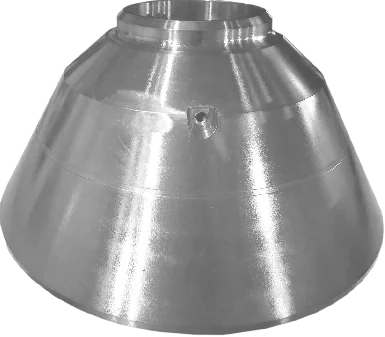
Crusher heads and sockets
- Fails by
- Wear and loss of fit at the seats
- Usual grade
- Carbon or low-alloy steel
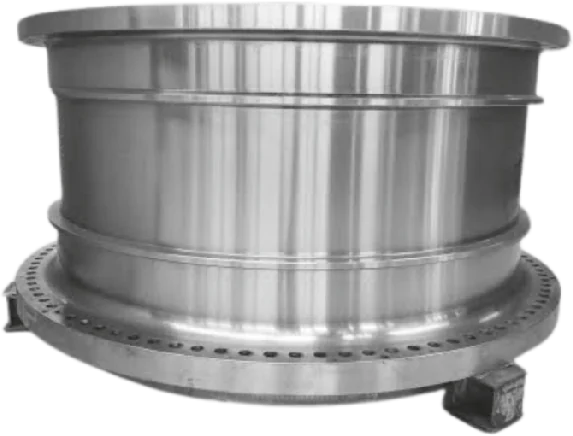
Trunnions
- Fails by
- Journal wear and scoring
- Usual grade
- Carbon or low-alloy steel
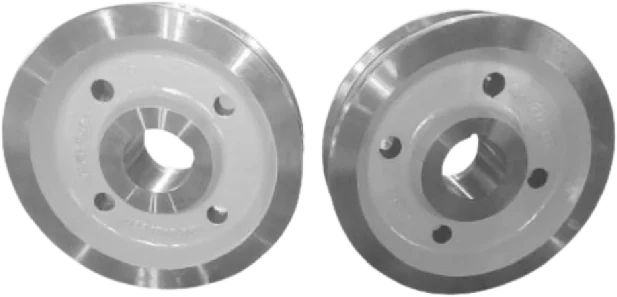
Wheels and rollers
- Fails by
- Tread wear and flaking
- Usual grade
- Carbon or low-alloy steel
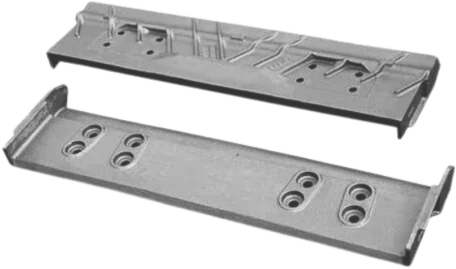
Apron pans and sprockets
- Fails by
- Pan wear and cracking under falling rock
- Usual grade
- Manganese steel, Carbon or low-alloy steel
Why equipment makers choose us
- Your drawing, your standardIS, ASTM, EN or your own specification, with an agreed inspection plan.
- From 3 kg to 7 tonnesSmall series and heavy single pieces from the same foundry.
- Cast and machinedOne supplier for the casting and the machined part.
Have a casting problem? Send it to us
A drawing, photographs of the worn part or just the equipment model: any of them is enough to start. Our metallurgists recommend the grade if you don’t know it.